- Home
- Products
- Application
 Major Applications
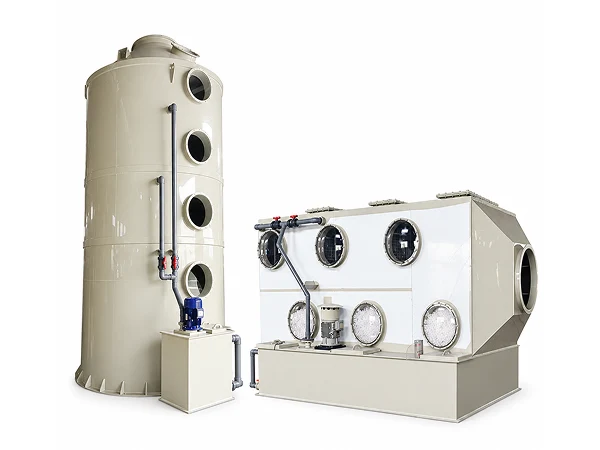
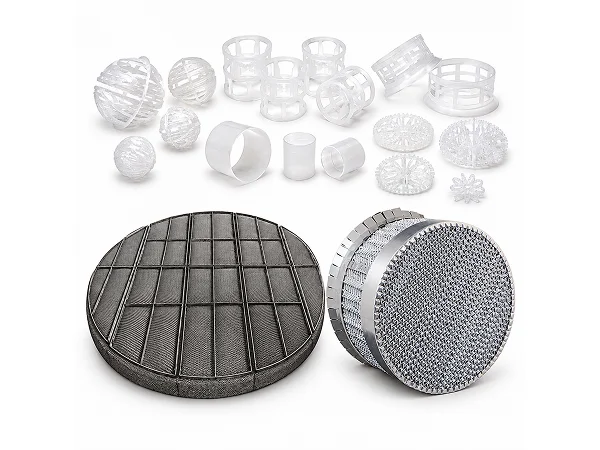
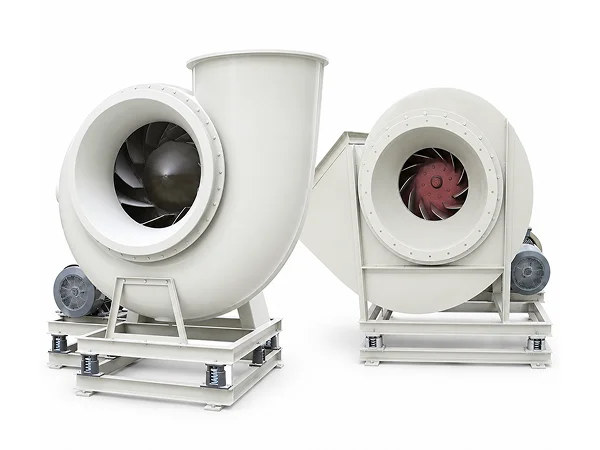
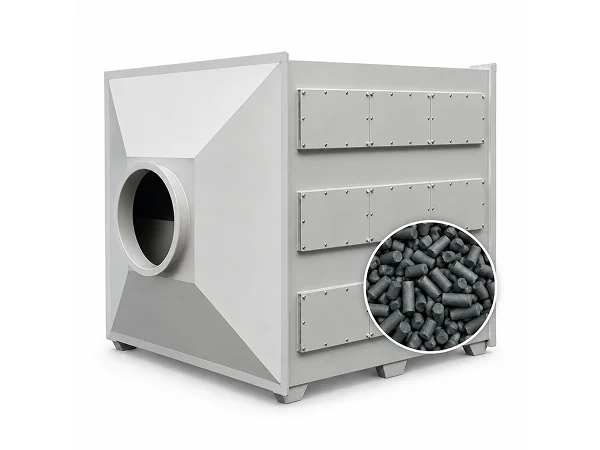
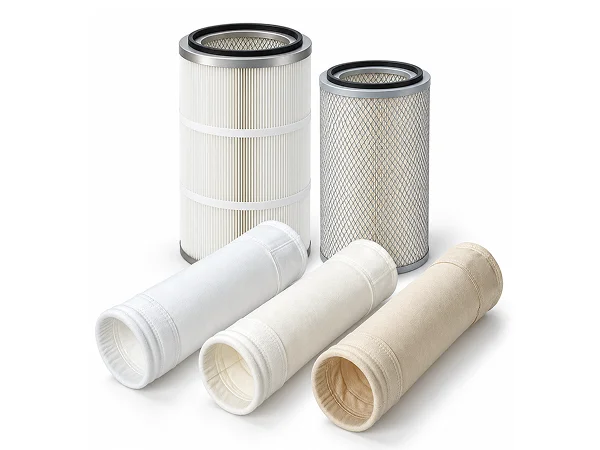
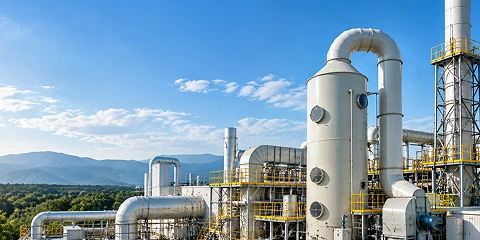
Different equipment, such as wet scrubbers, adsorption units, filters, fans, and scrubber internals, can be selected according to the characteristics of the exhaust gas and treatment requirements.
- Industry
Industry
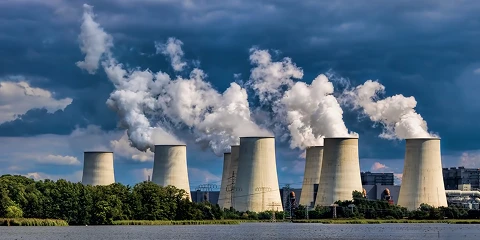
Through customized solutions tailored to specific working conditions and emission standards, we help enterprises achieve compliant emissions, improve environmental quality, and strengthen green competitiveness.
- Support
Support
We aim to help enterprises efficiently and safely advance their environmental compliance and sustainable development objectives by delivering professional, timely, and reliable services.
- About
About
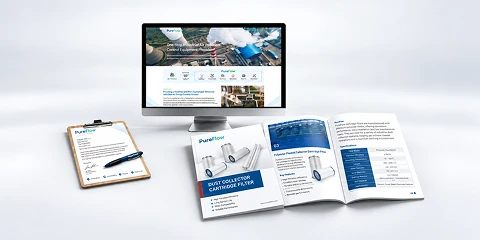
With our professional technical team and extensive engineering experience, we offer customers end-to-end support – from product selection to after-sales service – helping enterprises achieve green production and sustainable development.
- Contact