- Home
- Products
-
Wet Scrubber
Wet Scrubber
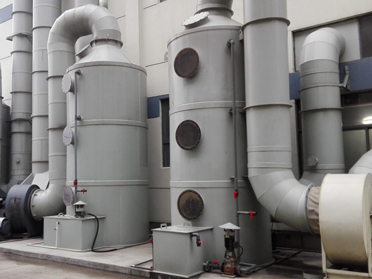
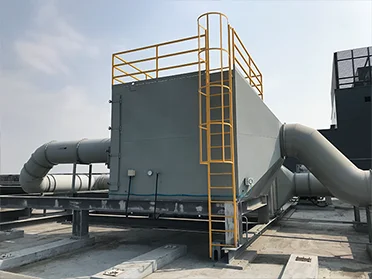
Wet Scrubbers use water or chemical solutions to capture and neutralize pollutants in industrial exhaust gases.

-
Scrubber Internals
Scrubber Internals
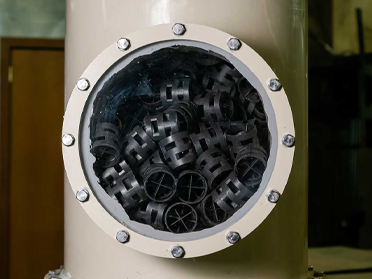
Scrubber internals are key components installed inside wet scrubbers to improve gas-liquid contact, liquid distribution, mass transfer, and mist separation.
-
Fans
Fans
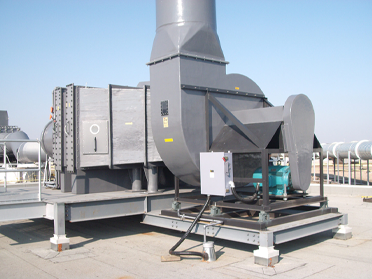
Fans can be used together with wet scrubbers and other equipment to form a complete exhaust gas collection and treatment system.
-
Adsorption Equipment & Media
Adsorption Equipment & Media
Adsorption Equipment & Media are used to remove gaseous pollutants from industrial exhaust streams through physical or chemical adsorption.
-
Dust Filtration
Dust Filtration
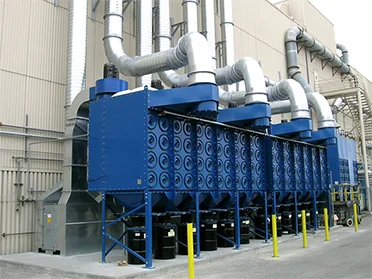
Dust Filtration refers to the removal of particulate matter from industrial exhaust air through filtration or separation equipment.
-
Wet Scrubber
- Application
- Industry
- Support
- About
- Contact
Search