PureFlow logo. Acid and Alkali Exhaust Gas Treatment

Acid and Alkali Exhaust Gas Treatment – For Eco-Friendlier and Safer Emissions

Acid and alkali exhaust gas treatment is a vital process in industrial air pollution control. It primarily targets the removal of acidic (e.g., hydrogen chloride, sulfuric acid mist, hydrofluoric acid) or alkaline (e.g., ammonia, sodium hydroxide) gases emitted during processes such as chemical production and electronics manufacturing. This process effectively prevents corrosion and hazards to human health, equipment, and the environment.

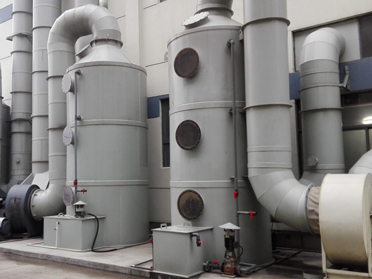
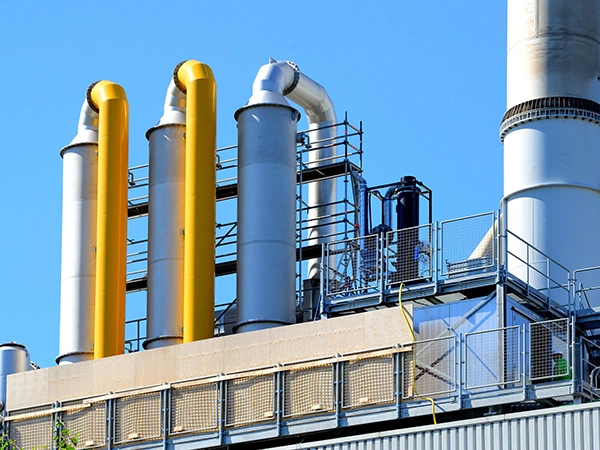
Three wet scrubbers installed together
Generation

Acidic and alkaline emissions are commonly generated during chemical reactions, pickling, etching, surface treatment, tank venting, chemical dosing, and process ventilation.

Typical sources include:

  • HCl and HF: Pickling, metal finishing, semiconductor etching, and chemical processing.
  • SO2: Combustion, smelting, chemical manufacturing, and industrial reactions.
  • Sulfuric and nitric acid mist: Acid handling, metal treatment, electroplating, and chemical processes.
  • NH3: Fertilizer production, chemical plants, pharmaceuticals, wastewater treatment, and ammonia handling.
  • Amines: Chemical manufacturing, pharmaceuticals, resins, and gas treatment processes.
  • Alkaline mist: Caustic washing, surface treatment, and alkaline spray processes.
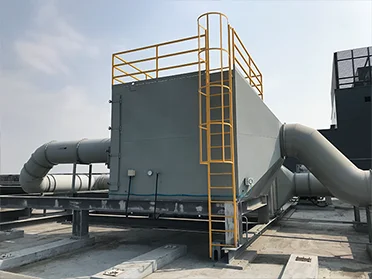
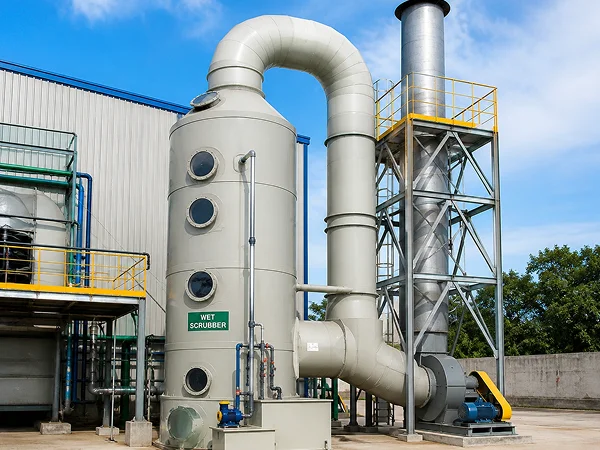
A scrubber is installed outside the factory building.
Treatment

One of the most common methods is chemical wet scrubbing.

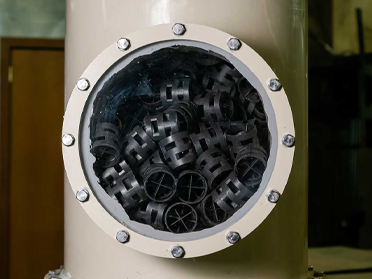
The exhaust gas enters a scrubber and comes into contact with water or a chemical scrubbing solution. Pollutants are first transferred from the gas phase into the liquid phase and are then removed through absorption, neutralization, or other chemical reactions.

A typical process is:

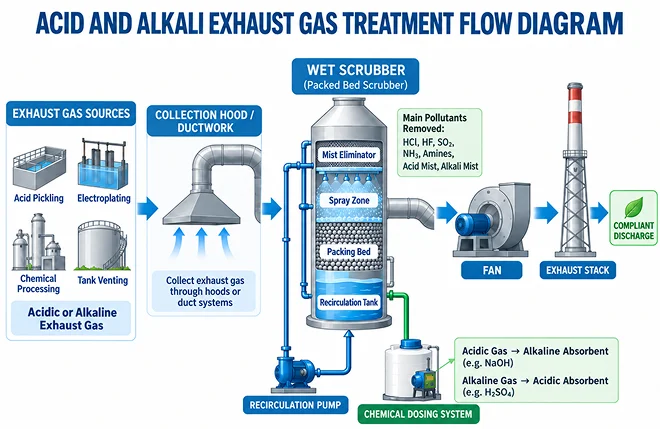
Exhaust Gas Collection → Wet Scrubber → Fan → Stack

Flow diagram of the acid and alkali exhaust gas treatment process.